
Director
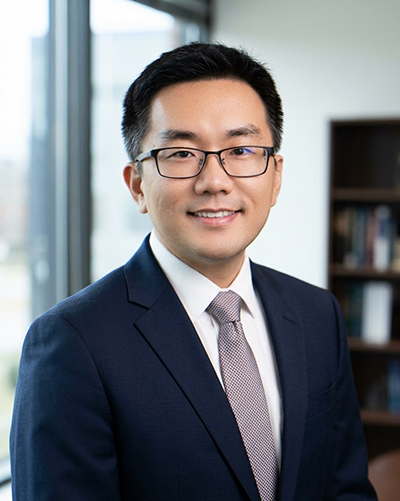
Dr. Zhe He is a Professor at FSU School of Information and Director of the Institute for Successful Longevity. Dr. He is an elected fellow of the International Academy of Health Sciences Informatics (FIAHSI) and American Medical Informatics Association (FAMIA).
Dr. He is a Biomedical Informatician and Health Data Scientist with formal training in both computer science and biomedical informatics. He is also Co-Director of the Biostatistics, Informatics, and Research Design (BIRD) Program at UF-FSU Clinical and Translational Science Award (CTSA) Hub. He has an extensive experience in aging research with both data science and digital health intervention expertise. On the data science side, Dr. He has extensive experiences using electronic health records (EHR) data to model lab results seasonality, subtypes of Alzheimer’s disease and related dementias (ADRD), prevalence of multiple chronic conditions among older adults, and rationalize eligibility criteria in clinical trials. On the digital health innovation side, Dr. He is leading interdisciplinary teams in developing technology-based intervention to promote the adherence to cognitive training and improve older adults' understanding of laboratory test results. These research projects are being funded by National Institutes of Health, Agency for Healthcare Research and Quality, Institute for Successful Longevity, Amazon Web Services, and Eli Lilly and Company.
Dr. He is a member of the editorial board of Journal of the American Medical Informatics Association, Journal of Biomedical Informatics, PLOS One, Journal of Healthcare Informatics Research, Smart Health, Social Science Computer Review, BMC Medical Informatics and Decision Making, and BMC Digital Health. He has been a Guest Researcher at the National Center for Biotechnology Information of the National Library of Medicine, NIH. He is currently Chair of AMIA Knowledge Discovery and Data Mining (KDDM) Working Group. He received the 2022 Lois Lunin Award from the Association for Information Science and Technology (ASIS&T).
Dr. He received his bachelor's degree from Beijing University of Posts and Telecommunication (2007), M.Sc. from Columbia University (2009), and Ph.D. from New Jersey Institute of Technology (2014), all in Computer Science. After finishing his Ph.D., he was a Postdoctoral Research Scientist at Columbia University Department of Biomedical Informatics. He joined FSU in 2015, was promoted to Associate Professor in 2020, and was again promoted to Full Professor in 2025.
Associate Director
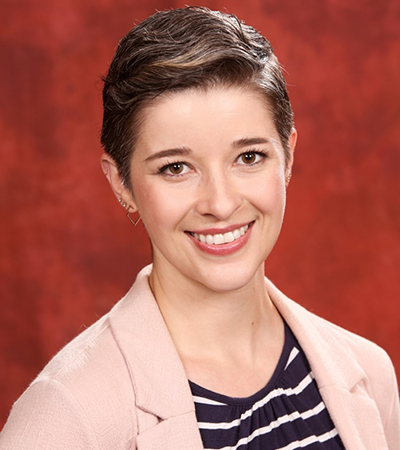
Dr. Julia Sheffler is the Associate Director for Clinical and Translational Research at the Institute for Successful Longevity (ISL) and an Assistant Professor in the Center for Translational Behavioral Science at the Florida State University College of Medicine, where she directs the Integrative Science for Healthy Aging Program. She is a clinical psychologist and board-certified geropsychologist whose research focuses on promoting healthy aging and reducing the risk of Alzheimer's disease and related dementias through behavioral and lifestyle interventions.
Dr. Sheffler's research examines nutrition, cognitive health, resilience, and health behavior change through clinical trials, community-based research, and interdisciplinary collaborations. Her work has been supported by the Florida Department of Health, the National Institutes of Health (NIH), and other organizations. She currently leads a state-funded project developing a scalable Mediterranean-ketogenic nutrition intervention for older adults at risk for dementia.
Dr. Sheffler has been an ISL Faculty Affiliate since 2018 and currently chairs the ISL Clinical Research Working Group. She has received ISL pilot funding and has collaborated extensively with ISL investigators and students. As Associate Director for Clinical and Translational Research, she helps strengthen ISL's clinical and translational research infrastructure, foster interdisciplinary collaborations, expand student research and training opportunities, enhance participant recruitment resources, strengthen partnerships with FSU Health and community organizations, and support collaborative external funding initiatives.